Key Takeaways
- A professional condo document review examines Status Certificates (Ontario), Form B Information Certificates (BC), Information Statements (Alberta), and Estoppel Certificates across Canada to identify financial and legal risks
- Reviewers analyze reserve fund studies, budget statements, and financial records to assess the building's long-term financial health and calculate your true monthly costs
- Legal review covers governing documents, bylaws, rules, and disclosure statements to identify restrictions, prohibitions, or requirements that affect your ownership experience
- Property-specific analysis includes unit condition reports, special assessments, litigation history, and structural concerns that could impact your investment value
- Professional reviews typically cost between $150-$400 depending on complexity and your province, representing excellent value for protecting a purchase worth hundreds of thousands of dollars
- A complete review includes a detailed written report with findings, risk assessment, and actionable recommendations before you finalize your purchase agreement
A condo document review is a comprehensive professional examination of all legal, financial, and structural disclosure documents required when purchasing a condominium property in Canada. This essential service helps homebuyers understand their rights, obligations, and potential risks before committing to what is often their largest financial investment. Whether you're buying in Ontario, Alberta, British Columbia, or anywhere else across Canada, understanding what's included in a thorough condo document review protects you from costly surprises and ensures you make an informed purchasing decision.
What Are the Core Documents Examined in a Condo Document Review?
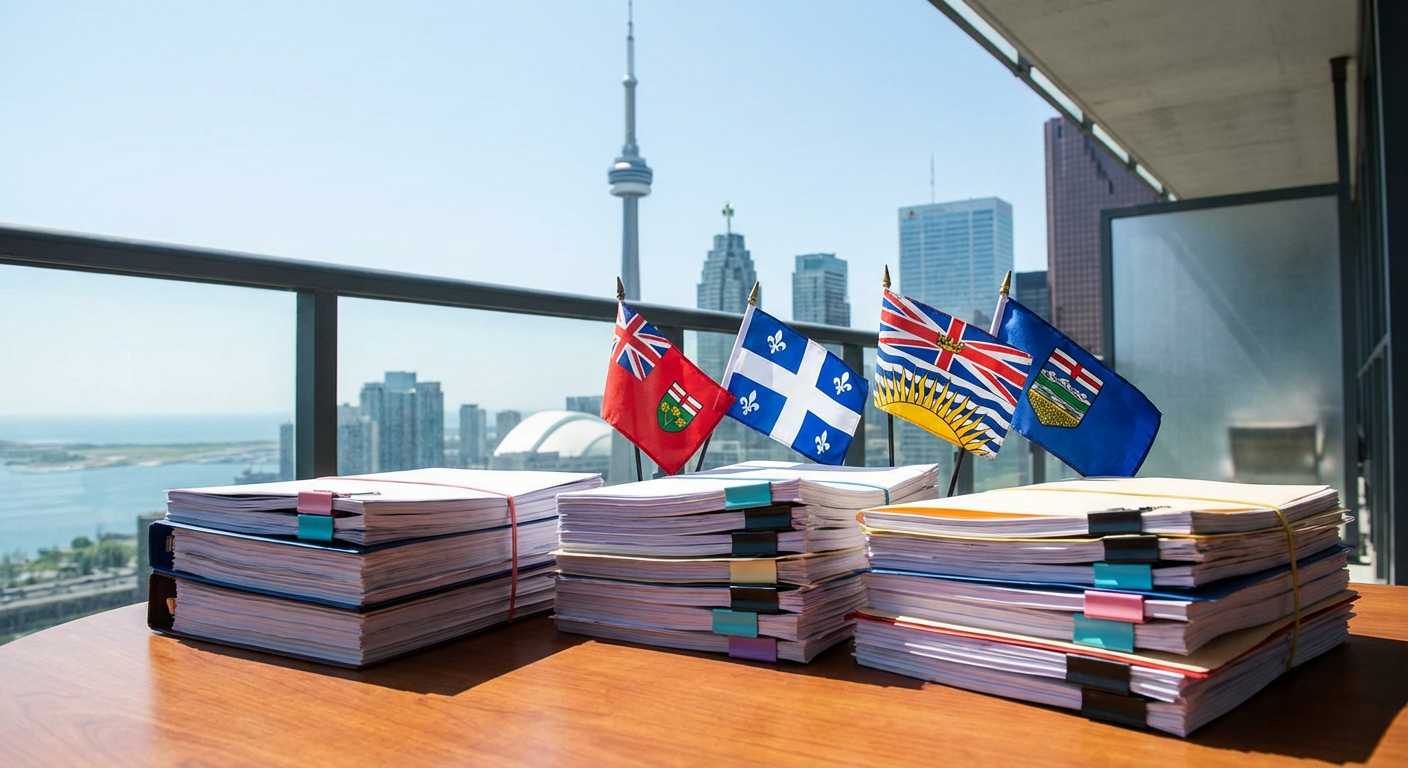
A professional condo document review analyzes all mandatory disclosure documents required in your province. In Ontario, this means a detailed examination of the Status Certificate, which is the primary disclosure document under the Condominium Act. In British Columbia, reviewers focus on the Form B Information Certificate required under the Strata Property Act. Alberta homebuyers receive Information Statements from the Condo Board, while other provinces across Canada require Estoppel Certificates or equivalent disclosure documents.
Status Certificates (Ontario)
Ontario's Status Certificate is the foundational document in any condo purchase. A status certificate review in Ontario examines the Status Certificate's declaration of the building's registered status, confirming the property is legally registered as a condominium. The review verifies that all governing documents are properly attached and current, including the Declaration, By-laws, and Rules of the condominium corporation. Reviewers also check for any amendments or modifications that affect your unit or the building's operations.
Form B Information Certificates (British Columbia)
British Columbia's Form B Information Certificate provides critical information about the strata property's financial status and operations. A strata document review in British Columbia examines the strata corporation's financial statements, reserve fund contributions, and any outstanding special assessments. The review verifies disclosure of rental restrictions, pet policies, and any prohibitions that might affect your use and enjoyment of the property. BC homebuyers benefit from professional analysis of Form B documents that clearly explains their financial obligations and governing restrictions.
Information Statements (Alberta)
Alberta homebuyers receive an Information Statement from the condo board, which outlines the condominium corporation's financial position and management structure. A professional condo document review in Alberta examines budget allocations, monthly fee calculations, reserve fund adequacy, and any planned special assessments. The review identifies funding shortfalls or concerning financial trends that could lead to sudden fee increases in future years.
Estoppel Certificates (Other Provinces)
Provinces including Saskatchewan, Manitoba, New Brunswick, Nova Scotia, PEI, Newfoundland, and the Northern Territories use Estoppel Certificates as disclosure documents. These certificates confirm the condo corporation's financial standing, ownership structure, and any outstanding liabilities affecting the property. Professional review of Estoppel Certificates across Canada ensures all information is accurate and identifies any undisclosed obligations.
What Financial Information Does a Condo Document Review Cover?
The financial analysis component of a condo document review is critical for understanding your true monthly ownership costs and the building's long-term viability. Professional reviewers examine detailed financial records to assess whether the condominium corporation is adequately funded and whether future financial problems could lead to special assessments that increase your costs.
Reserve Fund Analysis
A professional condo document review in Canada includes detailed examination of reserve fund studies, which project the building's capital replacement needs over a multi-year period (typically 20-30 years). Reviewers analyze whether the reserve fund contribution rate is adequate to cover projected major repairs like roof replacement, exterior updates, mechanical system upgrades, and parking structure repairs. Underfunded reserves are a red flag indicating potential special assessments that could dramatically increase your monthly costs.
Budget Examination
The condo corporation's annual budget is thoroughly reviewed to understand how your monthly maintenance fees are allocated. Professional reviewers across Canada examine line items for property management fees, utilities, insurance, property taxes, common area maintenance, and administrative costs. This analysis reveals whether budget allocations are reasonable compared to industry standards and whether expenses have been increasing dramatically year-over-year.
Special Assessment History
A comprehensive condo document review examines whether the building has recently levied special assessments on unit owners and for what purposes. Special assessments indicate unexpected major expenses that weren't adequately covered by the reserve fund. Multiple special assessments in recent years suggest potential long-term financial mismanagement or serious structural issues requiring capital investment.
Financial Statements and Reconciliation
Professional reviewers analyze the condo corporation's financial statements to verify income from maintenance fees matches projections and that operating expenses are controlled. The review confirms whether unit owners are consistently paying their fees on time and identifies if significant accounts receivable (unpaid fees) exist. High delinquency rates can affect the building's ability to fund operations and maintenance.

What Legal and Governance Issues Are Identified in a Document Review?
Beyond financial analysis, a thorough condo document review examines the legal framework governing the condominium and identifies any restrictions or requirements that affect your ownership experience. This legal analysis is essential because bylaws and rules can significantly impact how you use your unit and what you pay.
Declaration and By-Laws Review
The Declaration establishes the property as a condominium and defines unit boundaries, common property, and ownership structure. A professional condo document review in Canada examines the Declaration to confirm your unit boundaries are clearly defined and that common property allocations are appropriate. The By-laws establish rules for governance, including how the board is elected, how decisions are made, and how finances are managed. Reviewers identify any unusual governance structures, problematic voting arrangements, or restrictions on unit owner rights.
Rules and Use Restrictions
Every condominium in Canada has rules governing resident behavior and unit use. A comprehensive review identifies restrictions on rentals (some buildings prohibit short-term rentals or limit the number of rental units), pet policies (breed restrictions, size limits, or complete bans), parking allocation, and modification restrictions (renovations may require board approval). These restrictions can dramatically affect your ability to use and enjoy the property or generate rental income.
Amendment History
Reviewers examine whether governing documents have been frequently amended, which can indicate governance disputes or problematic management history. An unusual number of amendments might suggest the building has experienced conflicts or operational challenges. The review identifies what changes have been made and assesses whether those changes are favorable or concerning.
Title and Encumbrances
A professional condo document review confirms the building's title is clear and identifies any encumbrances (mortgages, liens, or easements) affecting the property. Significant encumbrances could affect the building's financial stability or your rights to certain common areas.
What Property-Specific Risks Does a Review Identify?
A thorough condo document review examines documents specific to your unit and the building's condition to identify potential problems that could affect your investment value or living experience.
Unit Condition Reports
If a professional home inspection report for your specific unit is included in the disclosure materials, the condo document review incorporates findings about unit condition, mechanical systems, and needed repairs. Reviewers flag items requiring immediate attention and estimate potential replacement costs you might face as an owner.
Building Condition and Structural Issues
The review examines disclosure statements about known building defects, structural concerns, or ongoing repairs. Some buildings have chronic water infiltration problems, foundation issues, or exterior deterioration that requires ongoing expensive maintenance. These issues are critical to understand before purchase.
Litigation and Disputes
A comprehensive review identifies whether the condominium corporation is involved in litigation with contractors, residents, or other parties. Ongoing legal disputes can drain the reserve fund and indicate management problems. The review flags any history of disputes between the condo board and residents.
Insurance Coverage
The review examines the condo corporation's insurance policies to confirm adequate coverage for building liability, property damage, and loss of use. Inadequate insurance is a serious concern that could leave residents responsible for uninsured losses.
Environmental or Compliance Issues
Reviewers identify any environmental concerns, code violations, or compliance issues documented in disclosure materials. Asbestos, mold, lead paint, or unsafe electrical systems can create health hazards and expensive remediation costs.
How Does a Professional Reviewer Present Findings?
After completing their comprehensive examination of all condo documents in Canada, professional reviewers provide a detailed written report that clearly explains findings, assesses risks, and recommends next steps before you commit to the purchase.
Written Report Format
A professional condo document review typically delivers findings in a comprehensive written report organized by category (financial, legal, property-specific, structural). The report includes an executive summary highlighting key findings and major concerns, detailed analysis of each document reviewed, and a risk assessment rating the overall condo investment as green (low risk), yellow (moderate concerns requiring discussion), or red (serious issues requiring expert consultation before proceeding).
Risk Prioritization
Skilled reviewers prioritize findings so you understand which issues are critical deal-breakers versus minor concerns. Critical issues might include severely underfunded reserves, ongoing special assessments, major structural defects, or restrictive rules that prevent your intended use. Minor concerns might include outdated bylaw language or non-essential building maintenance.
Actionable Recommendations
The review report includes specific recommendations for next steps, such as requesting additional information from the seller or condo board, obtaining specialist reports (structural engineer, environmental assessment), negotiating purchase terms to account for identified issues, or reconsidering the purchase if critical problems are identified.
Comparison to Standards
Professional reviewers often reference industry standards and best practices to help you understand whether findings are typical or concerning. Reserve fund adequacy, budget expense allocation, and special assessment frequency can be compared to healthy condominium standards across Canada.
What's NOT Included in a Condo Document Review?
Understanding the scope of a professional condo document review also means knowing what services are typically NOT included, so you can arrange additional expertise if needed.
Physical Home Inspection
A condo document review does not include a physical walkthrough of your unit or the building. For unit-specific condition assessment, you should separately arrange a professional home inspection. The document review complements a home inspection by examining disclosure documents about known building issues.
Mortgage or Financing Analysis
While a condo document review confirms the property's legal status and identifies risks, it does not provide mortgage pre-qualification or financing advice. Consult with a mortgage broker or lender about financing options and your borrowing capacity.
Real Estate Legal Advice
A condo document review provides analysis and recommendations but is not a substitute for legal counsel from a real estate lawyer. After the document review, most homebuyers proceed with their real estate lawyer to handle the purchase agreement and closing.
Strata or HOA Governance Expertise
While reviewers identify governance issues, specialized expertise in condominium administration or dispute resolution typically requires additional consultation with condo law specialists.
Condo Document Reviews Across Canada
We provide professional condo document reviews for homebuyers across all Canadian provinces (excluding Quebec):
- Central: Ontario Status Certificate Review
- Western: Alberta Condo Document Review, BC Strata Document Review
- Prairies: Manitoba, Saskatchewan
- Atlantic: Nova Scotia, New Brunswick, Newfoundland & Labrador, PEI
- Northern: Yukon, Northwest Territories
Frequently Asked Questions
What does a condo document review typically cost across Canada?
Professional condo document reviews typically range from $150-$400 depending on document complexity and your province. Smaller buildings with straightforward financials are less expensive to review, while large buildings with complicated governance structures or concerning financial issues cost more. This investment represents exceptional value when protecting a purchase worth hundreds of thousands of dollars. Most reviewers offer fixed pricing for standard reviews and higher rates for expedited service.
How long does a comprehensive condo document review take?
Most professional condo document reviews are completed within 5-7 business days of receiving all required documents. Expedited reviews can be completed within 24-48 hours for an additional fee. The review timeframe depends on document complexity, how well organized the disclosure package is, and how quickly the reviewer can analyze financial records and bylaws.
What should I do if the review identifies serious problems?
If a professional review identifies serious concerns like severely underfunded reserves, major structural defects, or restrictive rules preventing your intended use, consult with a real estate lawyer about options to renegotiate purchase terms, request seller concessions, or reconsider the purchase. For technical issues like structural problems, additional specialist reports may be warranted before making a final decision.
Can a condo document review be done virtually without visiting the property?
Yes, professional condo document reviews across Canada are completed entirely virtually based on examination of provided disclosure documents. You do not need to be present for the review. However, you should still arrange a separate physical home inspection and building walkthrough to assess unit condition and common areas.
Is a condo document review required in all Canadian provinces?
While condo document reviews are not legally required, they are highly recommended for all condo purchases across Canada. Professional reviews help identify risks that disclosure documents are intended to reveal but that untrained buyers might miss. The relatively modest cost provides substantial protection on a major investment.
What's the difference between a Status Certificate review and other provincial documents?
Ontario requires Status Certificates under the Condominium Act, British Columbia requires Form B Information Certificates under the Strata Property Act, and Alberta requires Information Statements. Other provinces use Estoppel Certificates or equivalent documents. A professional review analyzes whatever disclosure document your province requires, examining the same categories of financial, legal, and property-specific information regardless of the document format.
Can I review condo documents myself without hiring a professional?
While you can certainly read disclosure documents yourself, professional reviewers have specialized expertise in identifying concerning patterns, comparing findings to industry standards, and spotting red flags that untrained readers might miss. Professional reviews also provide liability protection and documented analysis supporting your purchasing decision. The modest cost is worthwhile for the expertise and peace of mind.
What should I bring to the condo document review appointment?
If meeting with a reviewer in person, bring any questions you've noted while reviewing materials yourself, details about your intended use of the unit (owner-occupancy versus investment rental), and information about your mortgage or financing plans. For virtual reviews, simply provide all disclosure documents to the reviewer electronically. Most reviews are completed without requiring owner participation.